Preserving the collection of the Amália Rodrigues House Museum means protecting a fundamental part of Portuguese culture and a cultural legacy with global reach.
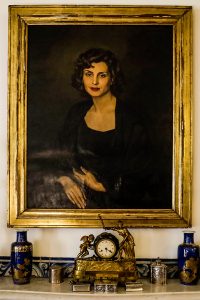
Amália Rodrigues was one of Portugal’s greatest cultural figures of the 20th century. An icon of fado and its leading ambassador, she performed in more than 60 countries and brought Portuguese art to audiences around the world. Her contribution also helped make fado a symbol of Portuguese identity and led to its inclusion on UNESCO’s Representative List of the Intangible Cultural Heritage of Humanity.

Opened in 2001, the Amália Rodrigues House Museum fulfils the artist’s wish to open her home to the public. Visited daily by people from around the world, it preserves the authentic environment in which she lived for more than four decades and serves as a cultural space dedicated to preserving and sharing her life, work and legacy.

This is therefore an investment in tangible heritage: those who invest in culture support the preservation of real objects in a house that remains open to the public. Art restoration, the enhancement of the museum and investment in Portuguese heritage generate a cultural impact that can be seen, experienced and measured.
With an implementation period of 24 months, the project is structured around four fundamental objectives:
- Heritage conservation and maintenance: Ensure the physical conservation of items of significant historical value from the House Museum’s collection, including works of art, furniture, stage costumes and documentation relating to Amália’s career.
- Cultural and artistic production: Enhance approximately 500 items, bringing the public closer to the artist’s history and the evolution of fado, while encouraging creative expression inspired by objects that belonged to her.
- Scientific development: Promote and disseminate research and academic study relating to the collection.
- Promotion and communication of Amália Rodrigues’s legacy: Reach increasingly broad and diverse audiences, both nationally and internationally, through activities carried out throughout the project.

The project’s targets include the production of 24 publications, 10 videos and 5 exhibitions; the creation of a digital archive; the provision of inclusive visits; and the implementation of research and artistic production activities. It also aims to increase visitor numbers by 20%, achieve 500,000 digital views and involve approximately 5,000 participants in events.
Minimum investment: €250,000
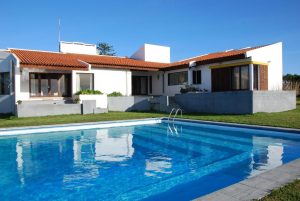
In the 1960s, Amália Rodrigues and her husband, César Seabra, acquired a property on the Vicentina Coast – a place that captivated them with its unspoilt nature and proximity to the sea.
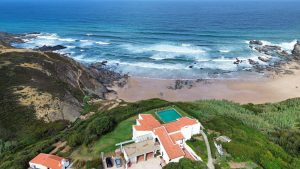
It was in this region, known for its wild beauty and tranquillity, that the couple built their iconic holiday home, designed by renowned architect Conceição Silva.
The estate was also a meeting place for artists. Composers, musicians, poets, writers, photographers and filmmakers connected to Amália’s life and work visited the property.
The project proposes:
- The creation of a contemporary art installation integrated into the landscape.
- Two main interventions: “The Embrace”, representing welcome and closeness, and “The Applause”, representing gathering and conversation.
- The cultural enhancement of the Alentejo and the preservation of Amália’s memory.
- A new cultural experience connected to the artist.
- The attraction of national and international visitors.
Minimum investment: €200,000